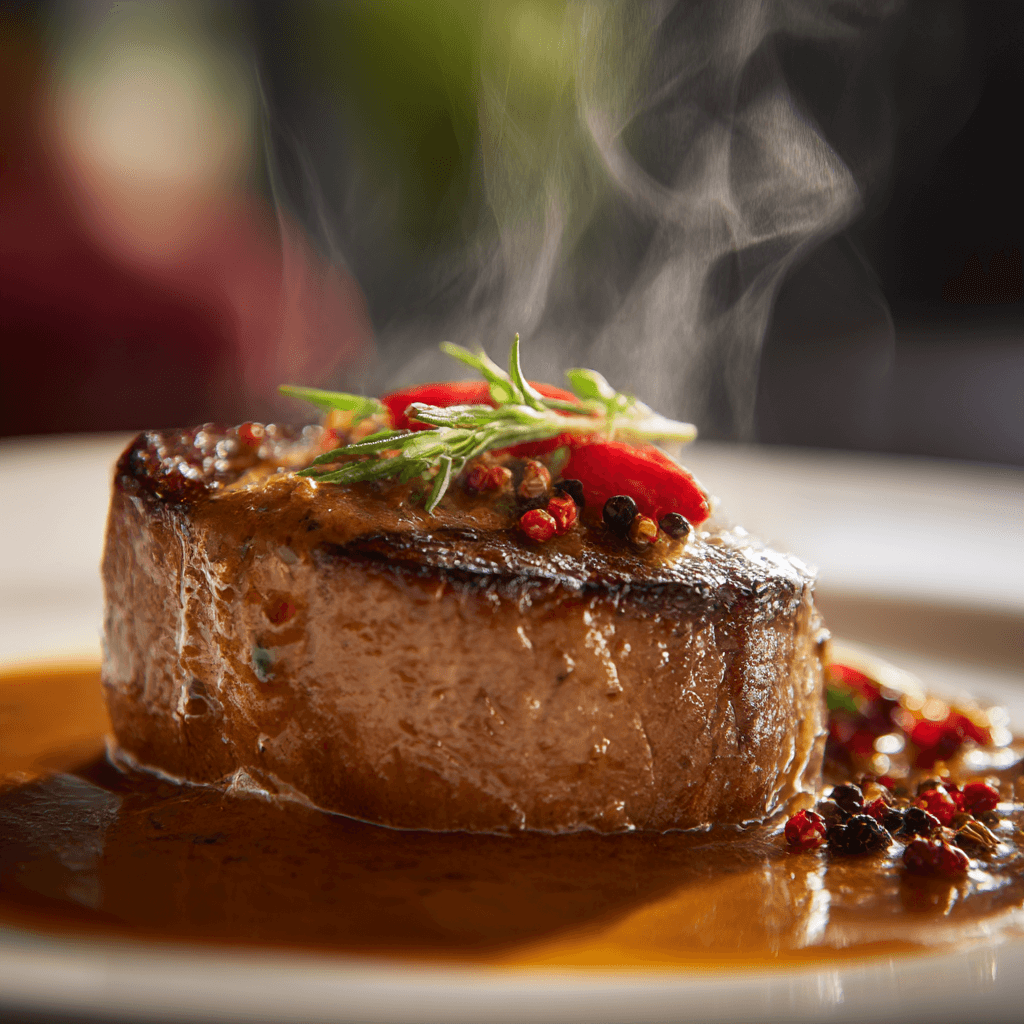
Step into a culinary time machine, back to an era when dining out was an event, a spectacle, and an undeniable statement of style. In the mid-20th century, amidst dimly lit dining rooms, the clinking of crystal, and the murmur of conversation, one dish consistently stole the show: Steak Diane. More than just a meal, it was a performance, an aroma, and an indulgence, promising both tableside theatrics and timeless elegance on the plate. Today, this iconic dish continues to captivate, offering a taste of sophisticated nostalgia while remaining surprisingly accessible for the home cook.
At its heart, Steak Diane is a celebration of tender beef, enveloped in a rich, velvety pan sauce infused with savory shallots, earthy mushrooms, and a luxurious splash of Cognac. It's a symphony of flavors – bold yet balanced, creamy yet complex – that has secured its place in the pantheon of classic continental cuisine. Let's embark on a journey to uncover the fascinating history, culinary artistry, and enduring appeal of this legendary dish.
A Glimpse into the Golden Age of Dining: The Origins of Steak Diane
To truly appreciate Steak Diane, one must first understand the dining landscape from which it emerged. The 1950s and 60s were a heyday for "continental cuisine" in America's finest restaurants. This term generally referred to European cooking, with a strong emphasis on French, Italian, and Spanish influences, often presented with an American flair. Diners would dress in their finest attire, anticipating not just a meal, but an experience. And few experiences rivaled the captivating allure of tableside preparation.
Steak Diane was born into this glamorous era, designed to impress. While its exact provenance remains somewhat shrouded in mystery, its name is a charming nod to history rather than Hollywood. Instead of being attributed to a contemporary starlet, it is widely believed to be a reference to Diana, the Roman goddess of the hunt. This connection makes perfect sense when considering the dish's original incarnation, which often featured tender game meats like venison or elk before beef became its prevalent star.
This historical context deepens our appreciation for every element of the dish, from the choice of protein to the dramatic presentation that made it a legend.
The Culinary Theater: What Makes Steak Diane Shine
Imagine this scene: A smartly suited waiter deftly rolls a gleaming trolley to your table. On it, fresh ingredients await their transformation. With practiced grace, your steak is seared, shallots and garlic are sautéed, and then, with a dramatic flourish, Cognac is added to the pan and ignited. Flames leap, dancing elegantly for a moment, bathing the dining room in a warm, amber glow. Every head in the room turns, drawn by the spectacle and the irresistible aroma that begins to waft through the air – a tantalizing blend of seared beef, pungent shallots, and fragrant garlic.
This "dinner and a show" aspect was integral to the allure of Steak Diane. It was an immersive experience, engaging all senses long before the first bite. The incredible aroma wasn't just a byproduct; it was a carefully orchestrated preview of the rich flavors to come. While the tableside flambé might be less common in today's dining scene, the essence of that dramatic presentation and the resulting depth of flavor can absolutely be recreated in your home kitchen.
Often compared to Steak Au Poivre, another classic pan-sauce steak, Steak Diane distinguishes itself with a few key characteristics. While both employ shallots, liquor (Cognac or dry sherry), and cream, Steak Au Poivre is defined by its generous use of coarsely cracked pepper. Steak Diane, on the other hand, typically incorporates earthy mushrooms and a more balanced pepper profile, allowing other nuanced flavors like Worcestershire, Dijon, and a hint of tomato to shine through.
Crafting Perfection: The Secrets to an Unforgettable Steak Diane at Home
The good news is that you don't need a tuxedoed waiter or a gleaming trolley to achieve a restaurant-quality Steak Diane. The dish, despite its sophisticated reputation, is surprisingly straightforward to prepare at home, provided you pay attention to a few crucial details. The keys to success lie in high-quality ingredients, a hell-hot pan, and a little patience.
Choosing Your Canvas: The Perfect Steak
The foundation of any great steak dish is, naturally, the steak itself. For Steak Diane, you want a cut that is naturally tender and can cook quickly to a perfect medium-rare. Recommended choices include:
- Beef Tenderloin (Filet Mignon): The ultimate in tenderness, offering a melt-in-your-mouth texture. Often cut into medallions for faster cooking.
- New York Strip: A fantastic option that balances tenderness with robust beefy flavor.
Aim for steaks that are at least 1 1/2 inches thick. Thicker steaks allow for a beautiful sear on the exterior while keeping the interior juicy and pink. Before searing, ensure your steaks are at room temperature and thoroughly patted dry. This promotes a superior sear and crisp crust, which is essential for building the foundational flavors of your pan sauce.
Building the Flavor Foundation: The Pan Sauce
The magic of Steak Diane sauce lies in building layers of flavor directly in the pan where the steak was seared. This process utilizes the fond – the browned bits stuck to the bottom of the pan – which are packed with concentrated savory goodness. For a deeper dive into crafting the perfect sauce, explore our guide on Steak Diane Sauce Secrets: Rich Cognac, Mushrooms, & Creamy Perfection.
Here’s the typical sequence for your pan sauce:
- Sear and Rest: Sear your seasoned steaks in a very hot, heavy-bottomed pan (cast iron is ideal) until a beautiful crust forms and they reach your desired doneness (rare to medium-rare is traditional). Immediately transfer them to a plate and let them rest. This crucial step allows the juices to redistribute, ensuring a succulent, tender steak. Use an instant-read thermometer for precision; for medium-rare, aim for 130-135°F (54-57°C).
- Sauté Aromatics: In the same pan, add a bit more fat if needed, then sauté finely minced shallots and mushrooms. While button mushrooms are common, flavorful options like shiitake or cremini mushrooms add more depth. Cook until they are tender and lightly browned, scraping up any fond from the bottom of the pan.
- Deglaze with Cognac: Add Cognac or brandy to the hot pan. The alcohol will bubble vigorously, releasing all those delicious browned bits from the bottom – this is called deglazing. While the traditional flambé adds drama, simply simmering off the alcohol is perfectly sufficient and safer for home cooks.
- Introduce the Flavor Boosters: Stir in beef broth, Worcestershire sauce, Dijon mustard, and a "tomato-y" element. Ketchup, with its vinegary sweetness, works wonderfully, while tomato paste is a more traditional choice. The acidity and umami these ingredients bring are crucial.
The Art of Reduction and Finishing Touches
Patience is a virtue when making Steak Diane sauce. After adding your liquids, allow the mixture to simmer and reduce significantly. This evaporation intensifies the flavors, making them richer and more concentrated. Once the sauce has reduced and thickened, it’s time for the final, luxurious step:
- Add Cream: Pour in a generous splash of heavy cream. Again, allow the sauce to simmer gently and reduce until it reaches a thick, velvety consistency that coats the back of a spoon. This reduction is what gives the sauce its signature luxurious mouthfeel.
- Season to Taste: Taste the sauce and adjust seasonings with salt and freshly ground black pepper. Remember, this sauce is meant to be intensely flavorful, as each person will only get a small, rich portion.
If you're eager to try your hand at this iconic dish, our comprehensive walkthrough, Mastering Classic Steak Diane: An Easy Guide to Elegant Flavor, provides all the steps and tips you'll need.
Elevating Your Experience: Serving Steak Diane with Finesse
Given that Steak Diane celebrates a premium cut of beef and a rich, complex sauce, it's best to keep side dishes simple and complementary. The goal is to enhance the main event, not overpower it:
- Green Vegetables: Lightly sautéed spinach with butter and garlic, steamed buttered broccoli, or asparagus spears with a squeeze of lemon are perfect choices. Their freshness and slight bitterness cut through the richness of the sauce beautifully.
- Bread for Mopping: Warm Parker House rolls or a crusty baguette are almost mandatory. They’re ideal for soaking up every last drop of the exquisite sauce.
- Potato Options: While not strictly necessary, a simple potato gratin or classic mashed potatoes can also be lovely additions, offering another textural contrast.
For beverage pairings, a medium-bodied red wine like a Pinot Noir or a Merlot would complement the richness of the beef and the earthiness of the mushrooms and Cognac sauce without overwhelming it. For a non-alcoholic option, sparkling cider or a robust black tea could offer a nice contrast.
Presentation matters too. Arrange your sliced steak beautifully on a plate, then spoon a generous amount of that glistening, rich sauce over and around it. Garnish with a sprinkle of fresh parsley or chives for a pop of color, and serve immediately to enjoy the steak at its peak.
Conclusion
From the theatrical tableside preparation of yesteryear to the comforting elegance it brings to modern tables, Steak Diane remains a testament to timeless culinary artistry. It's a dish that masterfully blends a rich history with an approachable preparation, yielding flavors that are both intensely satisfying and deeply comforting. Whether you're recreating a nostalgic fine-dining experience or simply indulging in a truly special meal, Steak Diane promises an exquisite journey for the senses – a true culinary classic that will forever inspire awe and delight.
