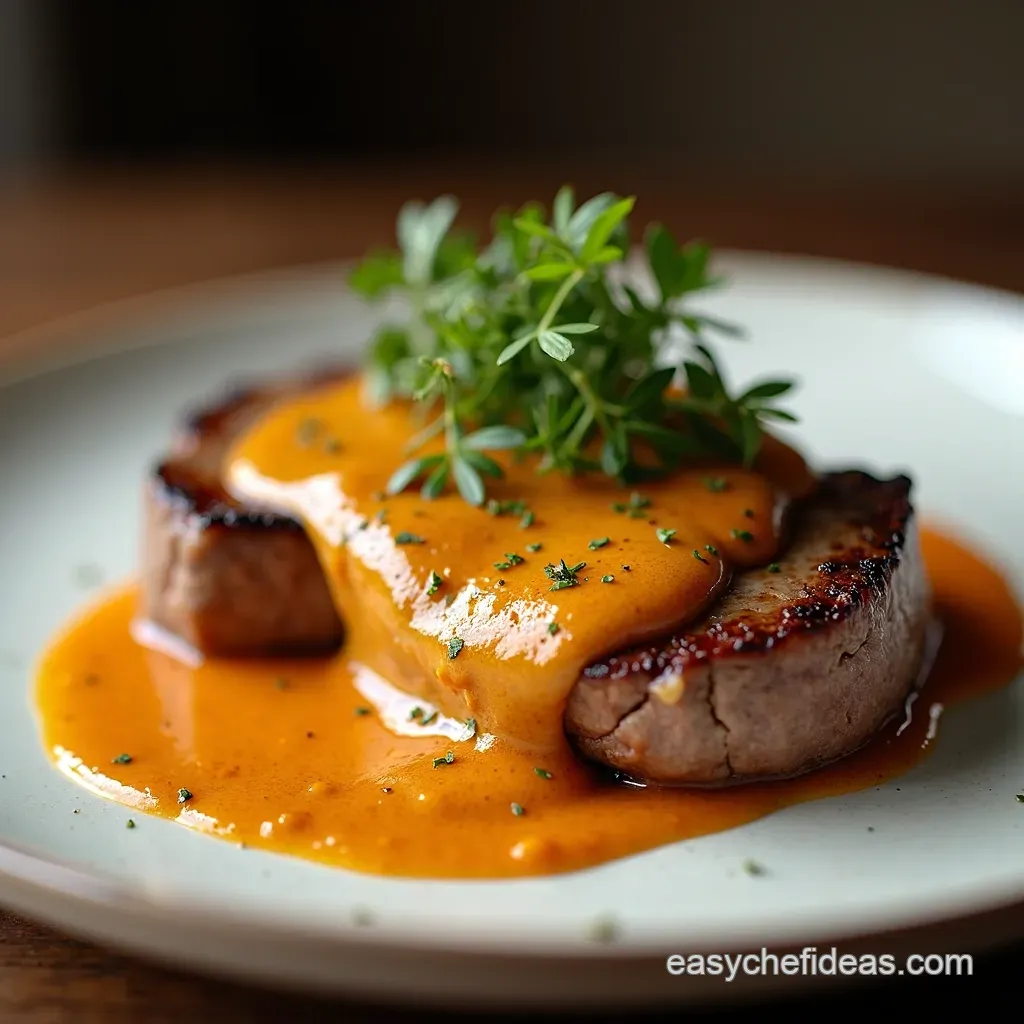
Steak Diane Sauce Secrets: Rich Cognac, Mushrooms, & Creamy Perfection
There are few dishes that evoke the golden age of dining quite like
Steak Diane. More than just a meal, it's a culinary experience – a symphony of tender, perfectly seared beef enveloped in a rich, velvety sauce that whispers of elegance and sophistication. At its heart lies a sauce so complex yet harmonious, it has captivated diners for decades. This article delves into the secret ingredients and techniques that transform simple components into the creamy, cognac-infused perfection known as
Steak Diane sauce. Prepare to unlock the culinary magic that makes this dish an enduring classic.
The Allure of Steak Diane: A Glimpse into Culinary History
Imagine stepping into a dimly lit, upscale restaurant in the 1950s or 60s. Waiters in crisp suits glide across the floor, serving what was then known as "continental cuisine"—a sophisticated blend of European influences. This was the era when
Steak Diane first rose to prominence, becoming a staple of high-end dining. It wasn't merely about the food; it was about the spectacle.
Legend has it that
Steak Diane was named not after a Hollywood starlet, but potentially Diana, the Roman goddess of the hunt, a subtle nod to its original (though now murky) provenance with game meats like venison or elk. What truly set it apart was the tableside preparation. A waiter, with theatrical flair, would wheel a trolley to your table, sear the steak before your eyes, and then, with a flourish, ignite the cognac in a dramatic flambé. Flames would dance, captivating every eye in the room, while the irresistible aroma of seared beef, fragrant shallots, and garlic permeated the air. It was dinner and a show, a moment of pure culinary magic.
While often compared to Steak Au Poivre (which features copious amounts of cracked pepper),
Steak Diane distinguishes itself with its inclusion of earthy mushrooms and a generally milder peppery profile, allowing the other nuanced flavors to shine. This dish, while steeped in nostalgia, remains surprisingly accessible for the home cook, offering an impressive way to serve a tender steak without the need for a waiter's trolley or pyrotechnics. To truly appreciate its journey, explore
From Tableside Flame to Timeless Elegance: The Steak Diane Story.
Crafting the Perfect Steak: The Foundation of Flavor
Before we dive into the depths of the sauce, it’s crucial to acknowledge that the quality of your steak forms the bedrock of an exceptional
Steak Diane. The sauce is designed to complement, not mask, a beautiful cut of beef.
Choosing Your Cut
For a truly tender experience, opt for steaks that are naturally delicate. **Tenderloin** is the classic choice, known for its buttery texture. Alternatively, a **New York strip** steak offers a good balance of tenderness and robust flavor. Regardless of your choice, aim for steaks that are at least 1 ½ inches thick. Thicker cuts allow for a perfect sear on the exterior while remaining rare or medium-rare within, preventing overcooking as you work on the sauce.
The Art of Searing
The key to a succulent steak with a gorgeous crust is a hell-hot pan. Cast iron or heavy-bottomed stainless steel pans are ideal for retaining heat.
1. **Preparation:** Pat your steaks completely dry. Moisture on the surface will steam the meat instead of searing it, preventing that coveted brown crust. Season generously with salt and freshly cracked black pepper.
2. **High Heat:** Heat your pan over medium-high to high heat until it's smoking slightly. Add a high-smoke-point oil (like grapeseed or canola).
3. **Sear:** Place the steaks in the hot pan, ensuring you don't overcrowd it (cook in batches if necessary). Sear for 2-4 minutes per side, depending on thickness and desired doneness. A good instant-read thermometer is your best friend here, aiming for 125-130°F (52-54°C) for rare or 130-135°F (54-57°C) for medium-rare.
4. **Rest:** Once seared, immediately remove the steaks from the pan and let them rest on a cutting board or wire rack for at least 5-10 minutes. This crucial step allows the juices, which have been driven to the center by the heat, to redistribute throughout the meat, resulting in a more tender and juicy steak. Resist the urge to cut into them too soon!
Unveiling the Sauce Secrets: Building Layers of Indulgence
With your perfectly rested steaks aside, the same pan, still rich with browned bits and beef drippings (the "fond"), becomes the foundation for your legendary
Steak Diane sauce. This is where the magic truly happens, transforming humble ingredients into a luxurious, intensely flavored elixir.
Building the Fond: Shallots & Mushrooms
The residual heat and caramelized bits in the pan are pure gold.
1. **Shallots:** Start by adding finely minced shallots to the pan. Sauté them gently until translucent and fragrant. Shallots offer a milder, sweeter onion flavor that perfectly complements the rich beef.
2. **Mushrooms:** Next, add your chosen mushrooms. While bland button mushrooms are common, I highly recommend flavorful varieties like **shiitake** or cremini (baby bella) for their deeper, earthier umami. Sauté until they release their moisture and brown beautifully. These ingredients not only contribute their own flavor but also help to scrape up the treasured fond from the bottom of the pan, enriching the sauce's depth.
Deglazing with Cognac: The Signature Spirit
Once the shallots and mushrooms are tender, it’s time for the star spirit.
1. **Cognac or Brandy:** Pour in a generous splash of cognac or brandy. The alcohol helps to deglaze the pan, dissolving all those browned bits of flavor (the fond) and incorporating them into the liquid.
2. **Simmer, Don't Flambé (Optional):** While historically the cognac was flambéed, it’s perfectly sufficient – and safer – to simply simmer the liquid until the alcohol has cooked off. This allows the complex aromas of the spirit to remain without the raw alcoholic bite.
The Magic Quartet: A Symphony of Savory Notes
After the cognac has reduced, it's time to introduce the next layer of flavor:
1. **Beef Broth:** A good quality beef broth adds a robust base.
2. **Tomato Element:** This adds a crucial touch of acidity and sweetness. While tomato paste is a common choice, I find a small amount of **ketchup** offers a delightful vinegary sweetness that cuts through the richness beautifully.
3. **Worcestershire Sauce:** This is your umami bomb. Its complex blend of fermented ingredients brings depth and a unique savory tang.
4. **Dijon Mustard:** A dollop of Dijon adds a sharp, piquant counterpoint, helping to emulsify the sauce and brighten the overall flavor profile.
Reduction is Key: Intensifying Flavors
Crucially, after adding these liquids, allow the mixture to **simmer and steam vigorously**. This evaporation process is vital; it reduces the volume, concentrating all those incredible flavors into a powerful essence. Don't rush this step; patience here is rewarded with an intensely flavored sauce. For more detailed instructions, consider
Mastering Classic Steak Diane: An Easy Guide to Elegant Flavor.
The Creamy Finish: Luxuriant Texture
Only after the previous reduction is complete should you introduce the cream.
1. **Heavy Cream:** Pour in a generous splash of heavy cream.
2. **Reduce Again:** Continue to simmer the sauce gently until it thickens to a luxurious, velvety consistency that coats the back of a spoon. This second reduction further refines the texture and marries all the flavors with the richness of the cream.
Seasoning to Perfection
Finally, taste the sauce and adjust seasonings as needed. It should be quite intense, as each serving is typically only about ¼ cup. A final pinch of salt and pepper, or even a touch more Dijon, can elevate it further.
Pairing Perfection: Complementing Your Steak Diane
Given that
Steak Diane is all about celebrating a premium cut of beef and its magnificent sauce, side dishes should be kept simple and elegant, allowing the main attraction to truly shine.
Simple Elegance
* **Green Vegetables:** Think sautéed spinach with a touch of butter, steamed asparagus drizzled with lemon, or blanched broccoli. These vibrant, slightly bitter or fresh sides provide a perfect contrast to the rich sauce.
* **No Starch Overload:** Avoid heavy starches like mashed potatoes or elaborate gratins, which can compete with or overwhelm the sauce. If you must have a starch, a light polenta or very simple roasted potatoes would be acceptable, but less is truly more here.
The Essential Mopper-Upper
Don't forget a way to savor every last drop of that incredible sauce! Warm, crusty bread like a fresh baguette or soft Parker House rolls are perfect for mopping up the plate, ensuring no drop of the creamy, cognac-infused goodness goes to waste. For wine, a medium-bodied red like a Merlot or a classic Cabernet Sauvignon would be a fantastic complement, echoing the richness of the steak and sauce.
Conclusion
From its flamboyant origins to its enduring appeal on modern tables,
Steak Diane remains a testament to timeless elegance and exquisite flavor. It’s a dish that, despite its sophisticated reputation, is surprisingly approachable for the home cook. By focusing on a quality cut of steak and mastering the step-by-step creation of its iconic sauce—built on the pillars of rich cognac, earthy mushrooms, fragrant shallots, and a creamy finish—you can recreate this luxurious experience in your own kitchen. Indulge in the rich history and even richer flavors;
Steak Diane isn't just a meal, it's an occasion.